
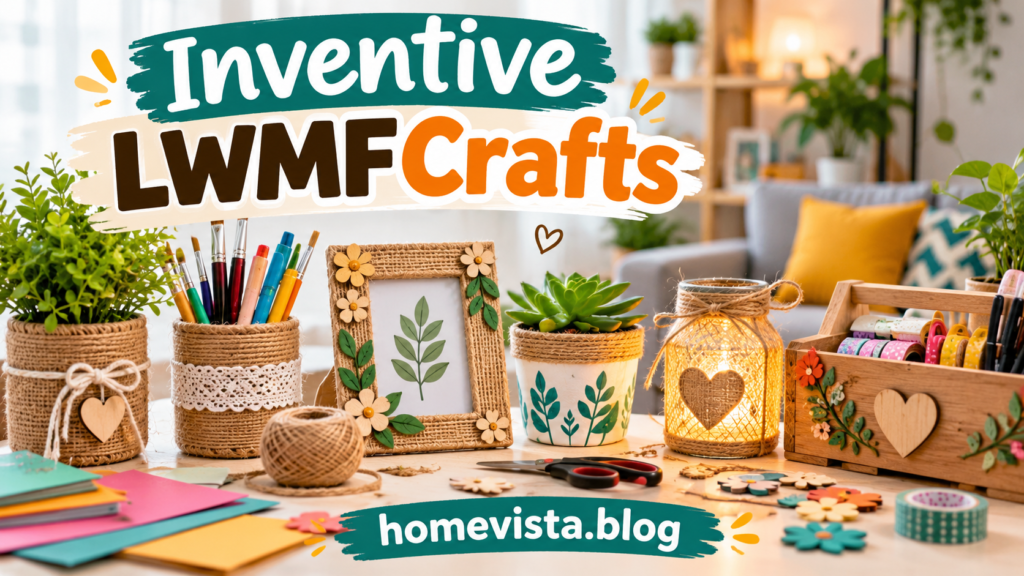
Creativity can transform ordinary materials into beautiful and useful items for your home. Inventive LWMFCrafts represents the idea of exploring creative do-it-yourself (DIY) projects, handmade decorations, and practical crafts that add personality to everyday spaces. Whether you enjoy decorating your living room, organizing your workspace, or creating personalized gifts, crafting offers an enjoyable way to express your imagination. You do not need expensive tools or professional skills to start crafting. With a few basic supplies, some patience, and creative thinking, you can make attractive items that reflect your personal style. In this guide, we will explore inventive craft ideas, their benefits, and practical ways to incorporate handmade projects into your home.
What Is Inventive LWMFCrafts?
Inventive LWMFCrafts can be understood as a creative approach to making handmade items that combine imagination, functionality, and personal expression. It encourages people to look at everyday objects differently and discover new ways to reuse materials. Crafting can include paper decorations, handmade wall art, decorative storage containers, recycled home accessories, fabric projects, and personalized gifts. The main idea is to create something useful or beautiful rather than relying entirely on ready-made products. For homeowners, creative DIY projects provide an opportunity to design decorations that match existing furniture, colors, and interior styles. Handmade pieces can also make a room feel more personal and welcoming.
Create Beautiful DIY Home Decorations
Home decoration is one of the easiest ways to explore creative crafting. Instead of purchasing every decorative item, you can make simple accessories that complement your interior design. For example, empty glass jars can become attractive candle holders, small vases, or containers for organizing household supplies. You can decorate them with paint, twine, fabric, or simple patterns. Handmade wall art is another excellent project. Use colored paper, fabric scraps, photographs, or natural textures to create artwork that matches your room. Arrange several small pieces together to create a gallery wall. Choose colors that complement your furniture and wall paint. Neutral shades work well in minimalist interiors, while brighter colors can add energy to otherwise simple spaces.
Reuse Materials for Sustainable Crafts
Recycling and upcycling are important parts of modern DIY crafting. Many objects that people throw away can be transformed into attractive and functional household items. Cardboard boxes can become drawer organizers, old wooden pieces can be repurposed as shelves, and unused fabric can be turned into cushion covers or decorative accessories. Before starting an upcycling project, inspect the materials carefully. Clean them thoroughly and remove damaged or unsafe parts. When working with wood, glass, or metal, use appropriate protective equipment. Upcycling can reduce waste and help you save money on selected home improvement projects. It also encourages you to think creatively about the materials already available in your home.
Make Practical Storage Solutions
A well-organized home is easier to maintain, and handmade storage accessories can help reduce clutter. Crafting allows you to create organizers that fit your specific needs instead of purchasing standard-sized products. You can use sturdy cardboard, fabric-covered boxes, or clean containers to organize stationery, craft supplies, accessories, and small household items. For a home office, create a desk organizer with separate sections for pens, notebooks, chargers, and other essentials. In a bedroom, decorative boxes can store accessories while keeping shelves neat. Label each container clearly to make everyday organization easier. You can also coordinate the colors and materials with your room’s overall design.
Explore Easy Paper and Fabric Crafts
Paper and fabric are affordable materials that offer countless creative possibilities. Beginners can start with simple projects before moving on to more advanced designs. Paper crafting includes greeting cards, gift tags, paper flowers, decorative envelopes, and seasonal ornaments. These projects are suitable for birthdays, holidays, and family celebrations. Fabric crafting offers another range of possibilities. Old shirts, leftover cloth, and fabric scraps can be transformed into reusable shopping bags, small pouches, cushion covers, or decorative table accessories. Start with basic cutting and folding techniques. As your confidence grows, experiment with stitching, layering, patterns, and different textures. Always use scissors, needles, and other tools carefully, especially when children are participating in a craft activity.
Personalize Your Handmade Gifts
Handmade gifts often feel special because they reflect the time and thought invested in creating them. Inventive crafting can help you prepare meaningful presents for friends, family members, and colleagues. Personalized photo frames, handmade greeting cards, decorated jars, and small fabric accessories are thoughtful options for different occasions. You can customize each gift according to the recipient’s interests, favorite colors, or personal style. For example, a friend who enjoys gardening might appreciate a decorated plant pot, while someone who loves reading could enjoy a handmade bookmark. Presentation also matters. Use recycled wrapping paper, reusable fabric, or handmade gift tags to complete your creation.
Crafting Ideas for Every Room
Different areas of the home offer different opportunities for creative projects.
- Living room: Create decorative trays, handmade wall art, or fabric cushion covers that complement your furniture.
- Kitchen: Make labeled storage jars, utensil holders, or simple organizers for frequently used supplies.
- Bedroom: Design personalized photo displays, jewelry organizers, or decorative boxes for small belongings.
- Home office: Build a desk organizer, decorate a notebook, or create a simple board for displaying reminders.
- Garden and balcony: Decorate suitable plant pots, reuse containers as planters when appropriate, or make weather-resistant labels for plants.
When choosing a project, consider the room’s available space, lighting, and existing color scheme. A few well-designed handmade pieces can make a stronger impression than too many decorations.
Essential Supplies for Beginners
You can begin crafting without buying a large collection of equipment. A small selection of versatile supplies is usually enough for basic projects. Useful materials include scissors, paper, pencils, rulers, non-toxic craft glue, paintbrushes, acrylic paints, cardboard, fabric scraps, string, and clean reusable containers. As you discover your preferred type of crafting, purchase additional supplies gradually. This approach helps prevent unnecessary spending and reduces the risk of buying materials you may never use. Keep your supplies organized in labeled containers. Store sharp tools safely, follow product instructions, and work in a well-ventilated area when using paints or adhesives that require ventilation.
Benefits of Creative DIY Projects
Crafting offers several practical and personal benefits. First, it encourages creativity by allowing you to experiment with colors, shapes, textures, and materials. Second, handmade projects can help you personalize your home without purchasing expensive decorations. Reusing suitable materials may also reduce household waste. Third, crafting can provide a relaxing activity away from screens and everyday responsibilities. Completing a project can create a sense of accomplishment and motivate you to explore new skills. Crafting can also become a shared family activity. Adults and children can work on age-appropriate projects together, helping children develop patience, coordination, and problem-solving skills. However, remember that not every DIY project will cost less than a store-bought alternative. Compare material costs, time, and durability before beginning larger projects.
Tips for Successful Crafting
To achieve better results, start with a simple project and gather all necessary materials before beginning. Read instructions carefully and measure materials accurately. Test paint colors and adhesives on small sample pieces before applying them to your final project. Allow sufficient drying time, and avoid rushing the finishing process. Do not be afraid to make mistakes. Experimentation is part of learning, and an imperfect result can help you improve your technique. Finally, choose projects that suit your available time, budget, and skill level. Consistent practice will gradually improve your confidence and creative abilities.
Conclusion
Inventive LWMFCrafts highlights the possibilities of combining creativity, practical thinking, and handmade design. From personalized gifts and decorative accessories to useful storage solutions and recycled home decorations, DIY crafting offers many ways to make everyday spaces more attractive and functional. You can start with simple materials already available at home and gradually explore more challenging projects as your skills develop. By focusing on quality, safety, and thoughtful design, you can create handmade items that reflect your personality and complement your living environment. Visit homevista.blog for more inspiration related to home improvement, interior decoration, organization, and creative ideas that can help make your home more comfortable and beautiful.