
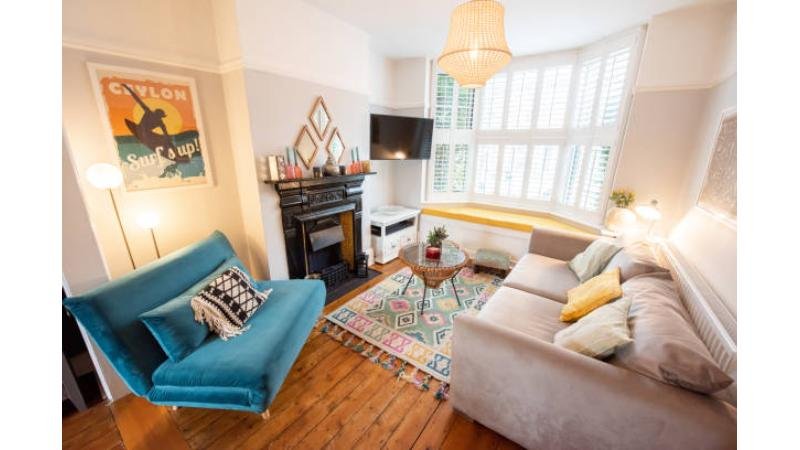
Small living rooms can feel challenging when every piece of furniture competes for space. However, a compact room does not have to look crowded or uncomfortable. With the right furniture, colors, lighting, storage, and layout, you can create a room that feels open and welcoming.
The best small living room ideas focus on using every part of the room wisely. Instead of filling the space with large furniture, choose pieces that provide comfort without blocking movement. Simple design decisions can also make a small room appear brighter and more spacious.
1. Choose Furniture That Fits the Room
Furniture size has a major impact on how a small living room feels. A large sectional sofa may look attractive in a showroom, but it can overwhelm a compact space. Choose a sofa with a slimmer profile and raised legs. Furniture with visible floor space underneath creates a lighter visual appearance. A compact loveseat can also work well for smaller rooms. If you need additional seating, consider lightweight chairs that you can move when necessary.
Keep the Walking Area Clear
Avoid placing furniture directly in the main walking path. Leave enough space for people to move comfortably around the room. Before buying furniture, measure the room carefully. Mark the approximate furniture dimensions on the floor with painter’s tape. This simple trick helps you understand how much space each piece will occupy.
2. Use Light Colors to Create an Open Feel
Color can dramatically change the appearance of a small room. Light shades usually reflect more natural light and make walls feel less dominant. Soft white, warm beige, light gray, cream, and pale green can work beautifully in compact living spaces. However, you do not need an entirely white room. Add darker colors through cushions, artwork, rugs, or small decorative objects.
Create a Simple Color Palette
Try using two or three main colors throughout the room. A consistent palette creates visual harmony and prevents the space from feeling chaotic. For example, combine warm white walls with beige furniture and natural wood accents. The result can feel comfortable without making the room look busy.
3. Make Natural Light a Priority
Natural light is one of the easiest ways to make a small room feel larger. Keep windows as open as possible during the daytime. Instead of heavy curtains, consider lightweight curtains that allow daylight to enter. Hang curtain rods slightly above the window frame when the room’s structure allows it. This technique can make the windows appear taller and give the room a more spacious feeling.
Add Mirrors Strategically
Mirrors can reflect light and create the impression of additional visual space. Place a medium or large mirror opposite a window when the layout allows it. You can also use a mirror across from an attractive architectural feature or a light source. Avoid covering every wall with mirrors. One well-positioned mirror often provides enough impact.
4. Select a Space-Saving Coffee Table
A coffee table can become a problem when floor space is limited. Instead of choosing a large rectangular table, look for a compact or multifunctional design. Round coffee tables can make movement around the furniture easier because they do not have sharp corners. Nesting tables are another useful option. You can separate them when needed and stack them together when you want more open floor space.
Consider an Ottoman
A storage ottoman can serve several purposes at once. You can use it as a footrest, extra seating, or a coffee table with a suitable tray. This approach reduces the number of separate furniture pieces in the room.
5. Use Vertical Space for Storage
One of the most practical small living room ideas is to use wall space instead of valuable floor space. Install floating shelves for books, plants, photographs, and small decorative pieces. Wall-mounted cabinets can also provide storage without occupying much floor area. Tall bookcases are another useful solution. They draw the eye upward while providing several levels of storage.
Avoid Overloading Shelves
Open shelving looks attractive when it has enough empty space. Too many decorative items can quickly make a small room feel cluttered. Group similar objects together and leave some shelf space empty. This creates a cleaner and more intentional appearance.
6. Choose a Rug That Connects the Furniture
A rug can define the living area and make the room feel more organized. However, a rug that is too small may make the furniture arrangement look disconnected. Choose a rug large enough to visually connect the main seating pieces. In a compact room, the rug does not always need to cover the entire floor. Neutral rugs with subtle patterns can work particularly well when the room already contains several colors or textures.
7. Use Wall-Mounted Lighting
Floor lamps can provide excellent lighting, but they take up valuable floor space. Wall sconces and adjustable wall lights can provide illumination without adding another large object. A combination of ceiling lighting, wall lighting, and table lamps can create a layered lighting scheme.
Use Warm Lighting for Comfort
Living rooms usually benefit from comfortable, warm-toned lighting. Use different light sources instead of relying on one bright ceiling fixture. Layered lighting also allows you to change the mood of the room throughout the day.
8. Pick Furniture With Multiple Functions
Multifunctional furniture is especially useful in compact homes. Look for furniture that solves more than one problem. A storage bench can provide seating and hidden storage. A sofa bed can provide seating during the day and sleeping space when needed. A console table can also function as a small workspace when paired with a suitable chair.
Keep Everyday Items Hidden
Visible clutter can make a small room appear even smaller. Use baskets, storage boxes, drawers, and closed cabinets for items that you use regularly. Keep frequently used items within easy reach while storing less-used belongings elsewhere.
9. Create a Focal Point
A small living room still needs a visual focal point. Without one, the room can look randomly decorated. You can create a focal point with artwork, an accent wall, a fireplace, a television arrangement, or an attractive piece of furniture. Keep the surrounding decoration simple. A single strong focal point usually works better than several competing features.
10. Use Plants Carefully
Indoor plants can add freshness, texture, and personality to a living room. However, too many large plants can consume valuable floor space. Choose one tall plant for an empty corner or use small plants on shelves. Hanging planters can also add greenery without taking up floor space.
Choose Plants for Your Lighting
Before buying a plant, consider how much natural light reaches the room. Different plants have different light requirements.
For low-light spaces, choose varieties that can tolerate lower indoor light conditions.
11. Keep Decorations Simple
Decorating a small room does not mean adding decorations to every available surface. A better approach is to select a few pieces that have visual or personal value. Use artwork, cushions, candles, books, and decorative objects in moderation. A simple arrangement often makes a room feel more sophisticated than a crowded collection of accessories.
12. Arrange Furniture Away From the Walls When Possible
Many people automatically push every piece of furniture against the wall. Sometimes this works, but it can also create an awkward layout. Depending on the room’s shape, moving a sofa slightly away from the wall can improve balance and create a clearer conversation area. The best arrangement depends on doors, windows, heating units, television placement, and walking paths.
Think About How You Actually Use the Room
Design the room around your daily routine rather than copying a showroom arrangement. If you regularly watch television, prioritize comfortable viewing angles. If you entertain guests, create a seating arrangement that encourages conversation. Practical design should always come before decoration.
13. Use Curtains to Add Height
Curtains can influence how tall a room appears. Mounting the curtain rod closer to the ceiling can draw the eye upward. Choose curtains that reach near the floor for a more polished appearance. Avoid extremely heavy fabrics if the room already feels dark or enclosed.
14. Make the Most of Awkward Corners
Small living rooms often contain corners that seem difficult to use. Instead of ignoring these areas, turn them into functional zones. A narrow reading chair can work in one corner. A tall plant, compact bookshelf, or small floor lamp can also fill unused space without overwhelming the room. Corner shelves are another useful solution for rooms with limited floor area.
15. Declutter Before Adding Anything New
One of the most effective small living room ideas does not require buying anything. Remove furniture and decorations that you rarely use. Keep only the items that support your lifestyle or contribute to the room’s appearance. After decluttering, reassess the layout. You may discover that the room already has enough furniture.
Follow the “Less but Better” Approach
A smaller number of carefully selected pieces can create a stronger design. Focus on comfort, functionality, proportion, and visual balance. These principles matter more than following every current decorating trend.
Small Living Room Layout Mistakes to Avoid
Even attractive furniture can make a compact room uncomfortable when the layout is incorrect. Avoid blocking windows, doors, and important walking paths. Do not choose furniture based only on appearance without checking its measurements. Another common mistake is using too many small decorative objects. Several small pieces can create more visual clutter than one larger statement piece. Finally, avoid using only one lighting source. Dark corners can make the room feel smaller, especially during the evening.
How to Make a Small Living Room Feel Bigger on a Budget
You do not need an expensive renovation to improve a compact living room. Start by removing unnecessary furniture and rearranging the existing pieces. Replace heavy curtains with lighter options if appropriate. Add a mirror, improve lighting, organize visible clutter, and introduce a few coordinated accessories. You can also refresh the room with new cushion covers, a simple rug, or rearranged artwork. The key is to improve the room’s function and visual balance rather than simply purchasing more decoration.
Final Thoughts
The most successful small living room ideas combine practical planning with personal style. A compact space can feel comfortable when furniture fits properly and every item has a purpose.
Use light colors, natural light, multifunctional furniture, vertical storage, mirrors, and thoughtful lighting to create a more open atmosphere. Most importantly, design the room around the way you actually live. When comfort and functionality come first, even a small living room can feel stylish, organized, and inviting.
FAQs
1. What colors make a small living room look bigger?
Light shades such as warm white, cream, beige, and soft gray can make a room feel brighter and more open. You can add darker accents through accessories.
2. What furniture is best for a small living room?
Compact sofas, slim chairs, nesting tables, storage ottomans, and multifunctional furniture are practical choices for limited spaces.
3. Does a mirror make a small living room look bigger?
A strategically positioned mirror can reflect light and create additional visual depth. Placing it opposite a window can be particularly effective.
4. How can I decorate a small living room without making it cluttered?
Choose fewer decorative pieces and give each item a clear place. Use shelves, baskets, and closed storage to control everyday clutter.
5. What type of coffee table is best for a small room?
Round, nesting, lift-top, or compact coffee tables can work well. Choose a design that provides useful function without restricting movement.
6. How can I make a small living room look expensive?
Focus on good proportions, coordinated colors, layered lighting, quality-looking textiles, organized surfaces, and a few carefully selected decorative pieces. Visit my site for more details.