
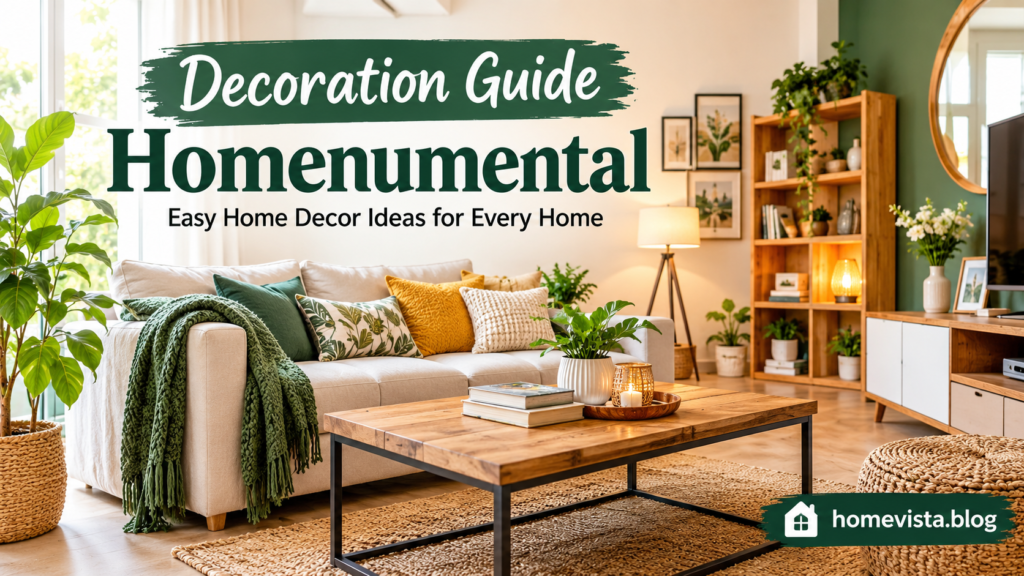
Decorating a home is one of the best ways to express your personality and create a comfortable living environment. A well-decorated home looks attractive, feels welcoming, and supports your everyday lifestyle. Whether you live in a small apartment or a spacious house, the right decoration choices can make a significant difference. The Decoration Guide Homenumental approach focuses on combining style, comfort, functionality, and creativity to transform ordinary spaces into beautiful homes. You do not need an unlimited budget or professional design experience to improve your living space. With thoughtful planning, suitable colors, practical furniture, and carefully selected accessories, you can create a home that reflects your taste. In this guide, we will explore simple home decoration ideas that can help you achieve an elegant and inviting interior.
Choose a Home Decoration Style
The first step in decorating your home is deciding which style suits your personality and lifestyle. Having a clear direction makes it easier to select furniture, colors, lighting, and accessories.
Popular home decoration styles include:
- Modern Style: Clean lines, simple furniture, neutral colors, and minimal accessories.
- Minimalist Style: A clutter-free environment with only essential furniture and decorations.
- Traditional Style: Classic furniture, decorative patterns, warm colors, and timeless details.
- Farmhouse Style: Natural wood, comfortable fabrics, rustic accessories, and warm textures.
- Scandinavian Style: Light colors, natural materials, practical furniture, and plenty of natural light.
Choose one primary style and incorporate a few complementary elements. This helps your home feel organized rather than visually overwhelming.
Select the Right Color Palette
Colors influence how a room looks and feels. Light colors can make small rooms appear more spacious, while deeper shades can create a cozy and sophisticated atmosphere. White, beige, cream, and soft gray are popular choices for walls because they work well with many furniture styles. You can introduce personality through accent colors such as green, navy blue, terracotta, or mustard yellow. A simple approach is to choose three complementary colors: one dominant color, one secondary color, and one accent color. For example, cream walls, natural wood furniture, and green decorative accessories can create a balanced and relaxing interior. Before painting an entire room, test a small area and observe how the color looks in daylight and artificial lighting.
Arrange Furniture for Comfort and Functionality
Furniture placement plays an important role in home decoration. Even expensive furniture can look unattractive when it is arranged poorly. Start by identifying the main purpose of each room. In a living room, arrange seating to encourage conversation and make it easy to move around. In a bedroom, position the bed comfortably and avoid overcrowding the space with unnecessary furniture. Measure your room before purchasing large items. Leave enough walking space between furniture pieces and ensure that doors, windows, and pathways remain accessible. Multifunctional furniture is particularly useful in small homes. Storage beds, nesting tables, foldable desks, and ottomans with hidden storage can help you save space while maintaining an attractive appearance.
Improve Lighting in Every Room
Lighting can completely change the atmosphere of a home. A combination of natural and artificial lighting makes rooms more practical and visually appealing. During the day, allow natural light to enter through windows whenever possible. Use lightweight curtains if you want privacy without blocking too much sunlight. For artificial lighting, consider three main types:
- Ambient Lighting: Provides general illumination for the entire room.
- Task Lighting: Helps with specific activities, such as reading, cooking, or working.
- Accent Lighting: Highlights artwork, architectural features, shelves, or decorative objects.
Table lamps, floor lamps, pendant lights, and wall sconces can add both function and style. Choose lighting that complements your decoration theme and provides enough brightness for the room’s purpose.
Add Texture and Decorative Accessories
Accessories give a home character and help connect different design elements. However, adding too many decorative items can make a room feel crowded. Start with a few useful pieces, such as cushions, rugs, throws, framed artwork, mirrors, and indoor plants. Mix different textures to create visual interest. For example, combine a soft rug with wooden furniture, linen curtains, and woven baskets. Mirrors can also make a room feel brighter by reflecting available light. Place them where they reflect an attractive feature or a window rather than an untidy area. Choose accessories that complement your color palette instead of buying every item that catches your attention.
Decorate Your Living Room Beautifully
The living room is often one of the most frequently used areas of a home. It should be comfortable for everyday activities while remaining welcoming for guests. Begin with the main seating arrangement and build the decoration around it. A well-sized rug can help define the seating area, while cushions and throws introduce color and texture. Create a focal point using artwork, a decorative mirror, a fireplace, or a carefully styled shelf. Keep surfaces reasonably clear and use baskets or cabinets to organize everyday items. If your living room is small, choose furniture with suitable proportions and avoid blocking windows. A few well-chosen decorations usually create a better result than filling every corner.
Create a Relaxing Bedroom
A bedroom should support relaxation and provide a peaceful environment. Soft colors, comfortable bedding, suitable lighting, and organized storage can help create a calming atmosphere. Choose bedding that coordinates with your room’s color palette. Add a small number of cushions or a textured blanket for extra comfort without making the bed difficult to maintain. Bedside tables provide convenient storage for books, lamps, and personal items. Wall-mounted shelves can be helpful when floor space is limited. Avoid excessive decoration around the bed and keep frequently used items within easy reach. Blackout curtains may also be useful if you need to reduce outside light while sleeping.
Use Smart Decoration Ideas for Small Spaces
Small spaces can be beautiful and practical when every element serves a purpose. The key is to maximize usable space without sacrificing comfort. Use vertical storage, wall-mounted shelves, and tall cabinets to make better use of wall space. Furniture with built-in storage can reduce clutter, while light-colored walls help create an open appearance. Keep walkways clear and avoid oversized decorative objects. Instead of displaying many small accessories, choose a few larger pieces that complement the room. Transparent furniture, such as glass tables, can also create a lighter visual effect. Most importantly, organize belongings regularly so that your home remains functional and inviting.
Bring Nature Indoors
Plants and natural materials can make interiors feel fresh and welcoming. Indoor plants introduce color and texture while helping connect your home with the outdoors. Choose plants according to the available sunlight and the amount of care you can provide. If natural light is limited, research plants that tolerate lower-light conditions. Natural wood, cotton, linen, stone, and woven materials can also add warmth and texture to a room. You do not need to redesign everything; a wooden tray, a natural-fiber rug, or a few healthy plants can make a noticeable difference.
Decorate on a Budget
Beautiful home decoration does not require spending a lot of money. Planning your purchases carefully can help you achieve attractive results while controlling costs. Consider repainting an old table, changing cushion covers, rearranging existing furniture, or displaying artwork you already own. Thrift stores, secondhand marketplaces, and seasonal sales may provide affordable furniture and accessories. Before purchasing anything, make a list of your priorities and set a realistic budget. Invest first in essential items that affect comfort and everyday use. Decorative accessories can be added gradually. Avoid buying items simply because they are fashionable. Select pieces that suit your space, meet your needs, and will remain useful over time.
Conclusion
The Decoration Guide Homenumental approach shows that creating a beautiful home is about more than following trends. It involves choosing a suitable style, coordinating colors, arranging furniture thoughtfully, improving lighting, and adding meaningful decorative details. Whether you are updating a living room, refreshing a bedroom, or decorating a small apartment, simple changes can produce impressive results. Focus on comfort, organization, functionality, and personal taste rather than trying to change everything at once. For more home decoration inspiration, practical interior design advice, and affordable home improvement ideas, visit homevista.blog and discover new ways to make your living space more beautiful and enjoyable.